



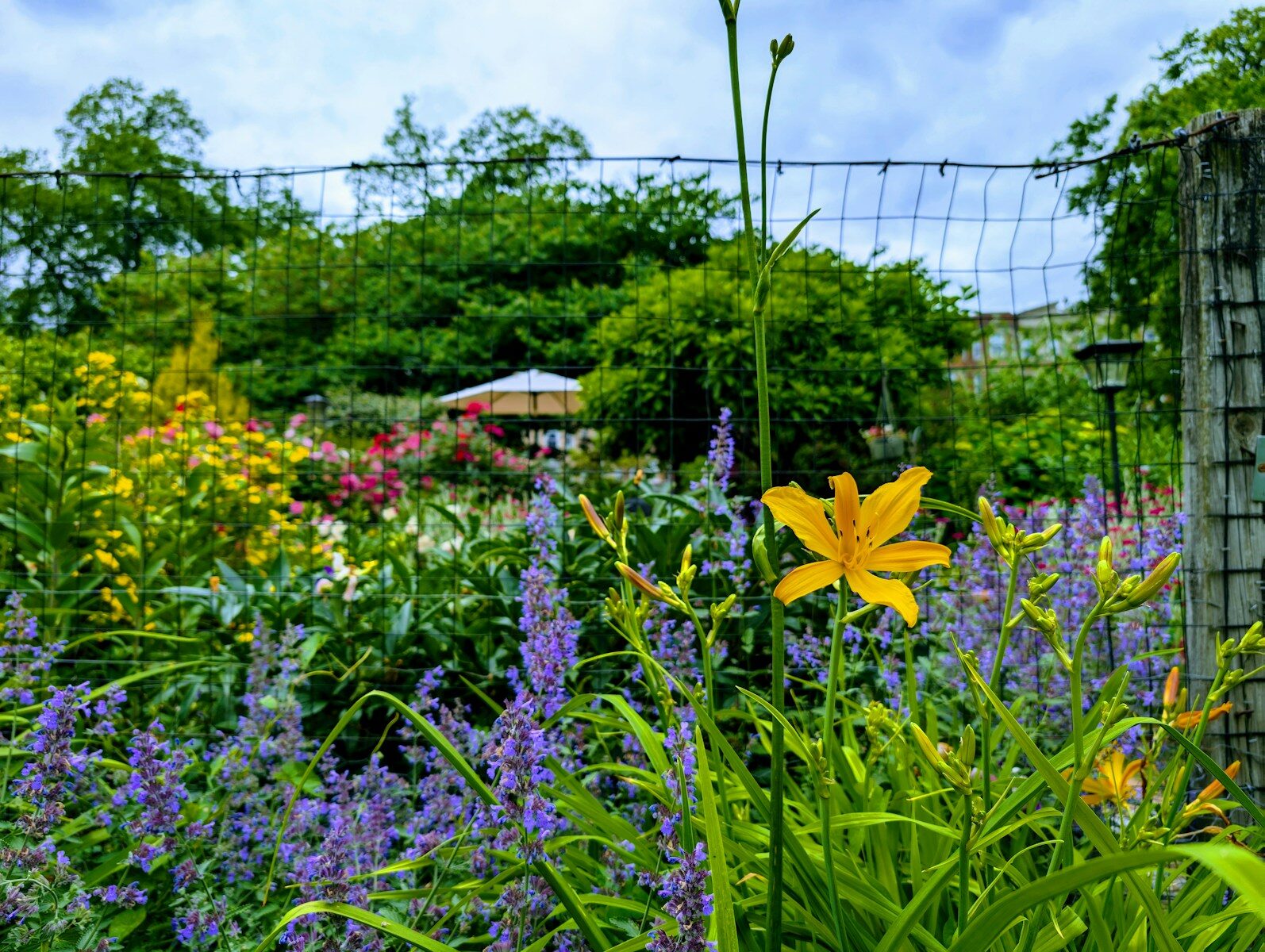
For years, allotments were seen as faintly old-fashioned, places of sheds, string lines and people who knew exactly when to earth up potatoes. Lately, that picture has shifted. The allotment feels less like a hobby from another era and more like a practical answer to current frustrations: expensive food, too much screen time, and the odd sense that many of us no longer make anything tangible in our spare time.
Part of the appeal is that an allotment asks for patience in a culture that seldom does. You cannot rush broad beans, and no app will hurry a tomato to ripen. That rhythm is exactly what draws people in. It offers a small, stubborn kind of independence, not full self-sufficiency, of course, but a patch of ground shaped by weather, effort and luck rather than endless notifications.
That helps explain why so many people now type allotment near me into a search bar, often after years of never giving it a thought. The phrase says something broader about the moment. People are not only looking for somewhere to grow courgettes; they want a local life that feels more rooted. In towns and cities especially, an allotment can be one of the few places where neighbours chat without fuss and the seasons still set the agenda.
More than a growing trend
What makes allotments interesting is that they cut across the usual lifestyle categories. They are not simply about saving money, though they can help. They are not purely about wellbeing, though they often improve it. They are also social spaces, informal classrooms and, now and then, comic reminders of human optimism.
- You plant too much mint.
- Don’t underestimate slugs.
- The discovery that one marrow is somehow enough for an entire street.
Perhaps that is why allotments endure. They are messy, local and gloriously uncommercial, which may be exactly why they’re perennially appealing.
Featured Photo by Hai.